The Secret Code: Unveiling the Language of Computer Hardware and Software
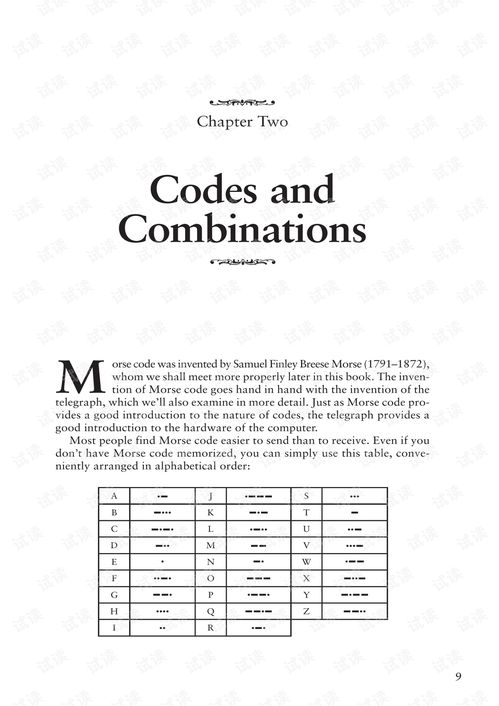
In the digital era, computers have become indispensable tools in our daily lives and work. However, beneath the sleek interfaces and efficient operations lies a hidden world of codes—the language that bridges hardware and software. This language, composed of binary digits and complex instructions, is the core secret driving modern computing technology.
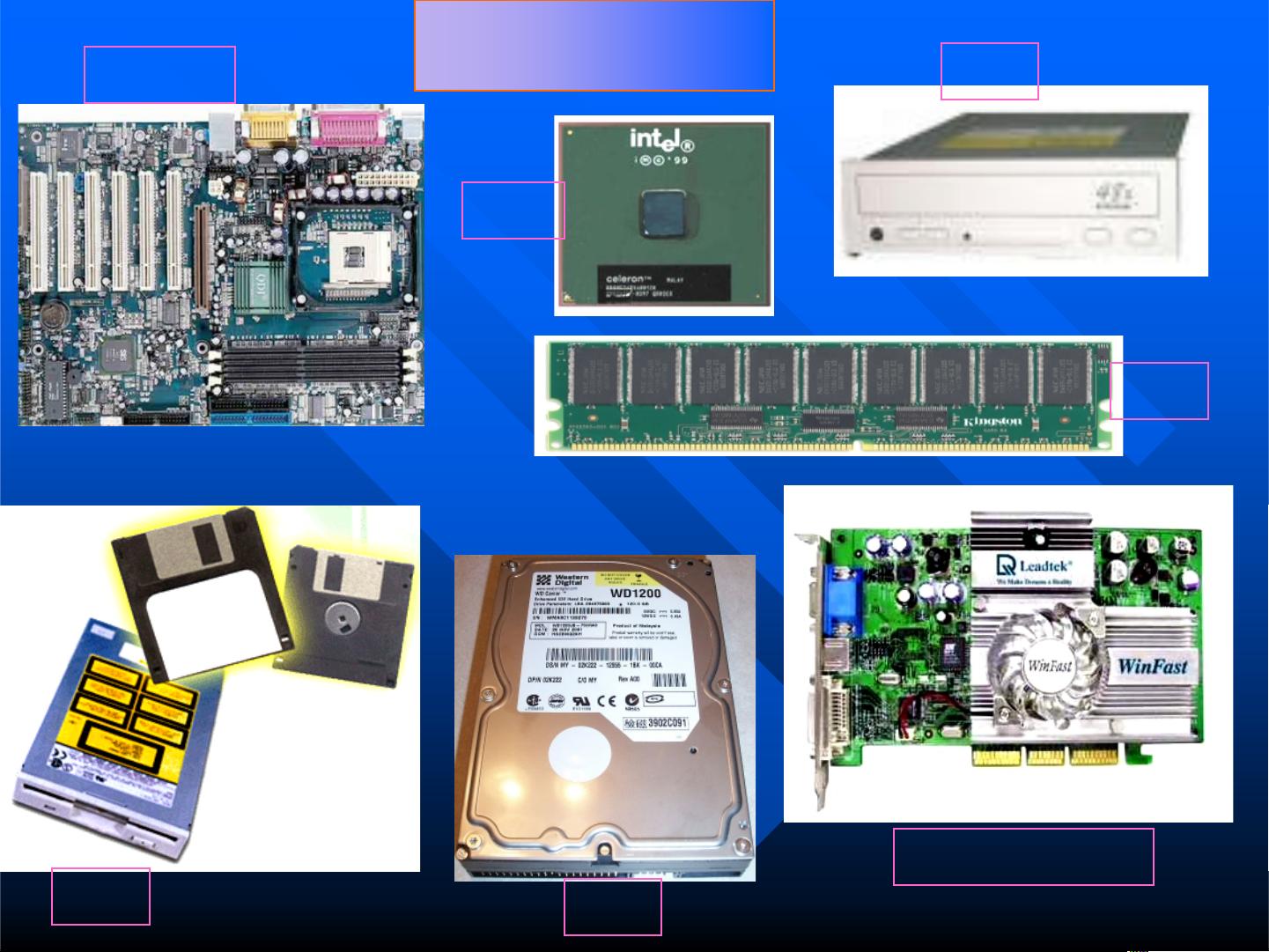
At the heart of a computer lies its hardware: the central processing unit (CPU), memory, hard drives, and input/output devices. These physical components communicate through electrical signals, which are essentially sequences of 0s and 1s. This binary language, known as machine code, is the most fundamental form of communication between hardware components. Each instruction, whether it involves arithmetic calculations or data transfers, is ultimately translated into this binary format for execution.
However, for humans, directly writing and reading binary code is nearly impossible due to its complexity. This is where software comes into play. Software acts as an interpreter, translating human-readable programming languages—such as Python, Java, or C++—into machine code that hardware can understand. High-level programming languages allow developers to write clear and logical code, which is then converted into assembly language or directly into machine code through compilers or interpreters.
Among these, assembly language serves as a low-level programming language that closely corresponds to machine instructions. It uses mnemonic symbols (such as ADD, MOV, etc.) to represent binary instructions, making it easier for programmers to write and debug code while maintaining close ties to hardware operations. This layered design—from high-level languages to assembly language, and finally to machine code—ensures both the efficiency of hardware execution and the flexibility of software development.
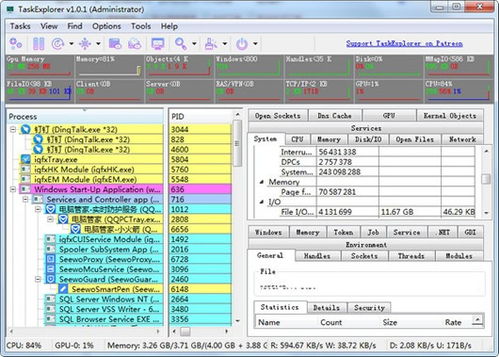
In modern computer systems, the operating system (OS) plays a crucial role as a bridge between hardware and software. It manages hardware resources, provides interfaces for applications, and ensures the stable operation of the entire system. For instance, when a user clicks an icon to launch an application, the operating system coordinates the CPU, memory, and storage devices to load and execute the corresponding software code.
Furthermore, with the advancement of technology, new forms of hardware-software interaction continue to emerge. For example, graphics processing units (GPUs) are optimized for parallel computing and are widely used in fields like artificial intelligence and gaming. Correspondingly, software frameworks like CUDA and OpenCL have been developed to allow programmers to harness the power of GPUs more efficiently.
The language of computer hardware and software is not static; it evolves with technological progress. From early punch cards to today's cloud computing and quantum computers, the methods of encoding and communication are constantly being redefined. Yet, the core principle remains unchanged: transforming human intent into executable instructions through layered abstraction and translation.
In conclusion, the language of computer hardware and software is a fascinating field that blends engineering and artistry. It not only drives technological innovation but also profoundly shapes our way of life. By understanding these hidden codes, we can better appreciate the intelligence behind computers and explore future technological possibilities.
如若转载,请注明出处:http://www.yo-yolu.com/product/73.html
更新时间:2026-10-07 01:02:32